Table of Content
This pipe can degrade in sunlight, so be sure it has been stored properly before purchase and covered well during installation. What this means is that pipes being run to second or third floors might need to be larger than what you’d use on a ground floor or in a basement. Along with that, you can also look for flexible connections and the old school iron or steel pipes. Among all the other types of pipes, copper pipes are considered to be best for supplying drinking water. It makes sure that harmful chemicals do not malign your drinking water and cause health issues.
At the same time, they’re strong enough to withstand the pressures of your water supply. Cross-linked polyethylene pipe is also color-coded for hot and cold water, making it easy for plumbers to identify and organize when on the job. A common way to protect pipes is with traditional pipe wrap insulation. Pipe-wrap insulation is easy to install and is best suited for insulating small lengths of pipe, or sections where there are many bends. Insulating water supply pipes in exposed areas of your home is a good idea for several reasons. In cold-winter climates, water supply pipes that are exposed to exterior walls or unheated spaces may freeze, burst, and flood your home.
The Difference Between Water Lines and Sewer Pipes
These are located in exterior walls, unheated garages, the floor cavities above unheated crawl spaces, and the like. Generally speaking, it's not necessary to insulate pipes that run through interior walls or in basements that are heated. When preventing freezing is the goal, insulate both the hot- and cold-water pipes. Hot water pipes can also freeze unless water is actively running through them. Galvanized or zinc-coated steel pipes were used in the early 20th century to replace cast-iron and lead in cold-water plumbing. However, galvanized pipes rust from the inside out, building up layers of plaque that cause water pressure issues.
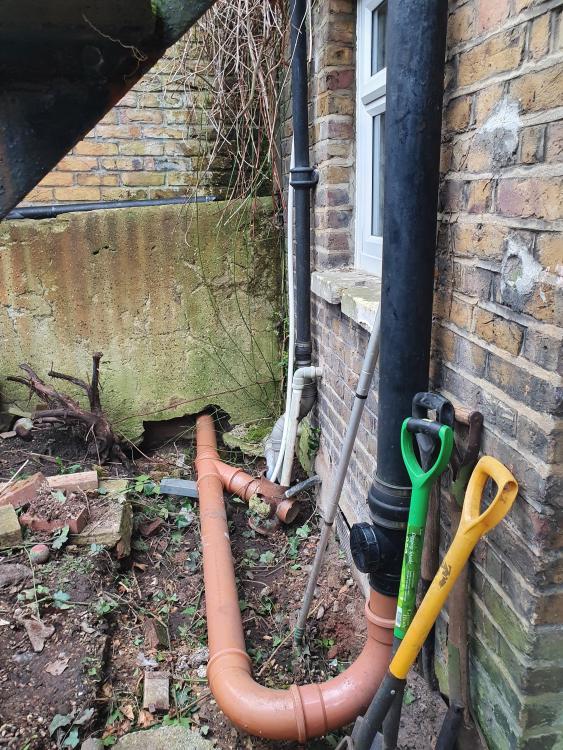
Such times bring along a confusion of selecting the right kind of Water Supply Pipe for getting the job done in the best way possible. There are different types of pipes that are used for different purposes from exterior pipes to drainage, and sewer there is a vast category. 160mm drainage pipe is available at EasyMerchant and are for use with sewerage and underground drainage pipe systems for gravity based waste water drainage.
Fiberglass Pipe Insulation
Polyvinyl chloride pipes are commonly used as part of a sink, toilet, or shower drain line. Its plastic tubing is ideal for this kind of usage because it protects the water from rust and corrosion better than other types of pipes. Unless they are subject to some kind of damage, PVC pipes will last indefinitely. Although they do not actually insulate, installing special frost-proof faucets is a good option for homeowners in colder climates. These faucets are designed with a special valve stem that prevents water from being trapped inside the faucet, where it can freeze, expand, and burst the pipe.
If you are replacing a pipe in your home, the easiest solution is to simply purchase the same size pipe and reinstall it. However, if you are adding something new, you’ll need to know what is the best size pipe to use. Before you start a new project, you should first consider the water pressure in your home.
Type of Pipe Insulation to Buy
Different plumbing pipe types are reserved for different purposes. For a successful career as a plumbing professional, you’ll need to know which to use for specific plumbing systems. Sediment buildup in your water heater is the most common reason for inexplicable banging noises when there's no water running. It may be loud enough that the echoes carry and cause it to seem like the knocking noise is coming from the pipes in the wall. When you hear a noise only when you stop a flow of water - and not when the water runs - then your pipes could have problems. Air chambers can be defined as tubes in tubes in T-shapes which contain air.
Another issue with copper is the upfront financial cost, as copper is a global commodity that has experienced a cost explosion in recent years. If you already have copper installed in your home, consider yourself lucky because it’s becoming more prohibitively expensive every year. The kind of pipes your home has generally depend on the age of the house and whether the plumbing system has undergone extensive renovations. The more information you have about your plumbing system, the easier it becomes to buy replacement parts, make repairs, and install new fixtures. At the end of runs, cut the foam tube to length, using a utility knife. When the installation is completed, also tape the butt seams where two sleeves meet.
In contrast, others are only useful as sewage pipes because they can’t handle hot water or additional pressure. Other benefits of copper piping include its temperature tolerance, safety, and recyclability. This material can carry both hot and cold water and doesn’t allow bacteria to thrive inside it, making it safe to use around the house.
If you have questions about installing new pipes or replacing existing plumbing, Jewell Mechanical can help. Our licensed and bonded team of technicians repair, replace and install new pipes and also handle regular maintenance, inspections and drain cleaning. We work on pre-plumbed houses, additions, new construction and commercial buildings.
Furthermore, installation skills are less complicated to master and require fewer tools than the ones required to solder copper. Unfortunately, their engineering success is a cautionary tale, all because they used lead pipes, which we now know, present a health risk. Whether you prefer glass or silicone, we have a range of water pipes to suit every smoker. From your favorite characters such as Rick & Morty to brightest colors, each and every water pipe we stock is exclusively designed by the world’s best glassblowers. Footage shared on social media showed emergency services using small boats and helping residents wrapped in blankets to safety.
These are all pressure class piping and material selection shall depend upon their use for cold water only or for hot and cold water. Know too that PVC installations require CPVC pipes for the hot water supply. Where PVC can handle temperatures up to 140° F, CPVC is rated for temperatures as high as 200° F. PVC pipe is a white plastic pipe material that's commonly used for waste lines. It initially gained popularity because it was lighter and easier to work with than traditional galvanized steel pipe. The tubes commonly come in 1/2-inch and 3/4-inch diameters, and they're easy to cut and join.
The design uses a long valve stem that fits against a valve seat located well inside the house, where temperatures are warmer. The faucet is designed so that water drains out of the valve body when the faucet is shut off, rather than being trapped where cold air can freeze it. When combined with other insulating methods, especially pipe-wrap insulation or foam sleeves, faucet covers are good insurance against burst pipes. When selecting water pipe insulation, consider the R-value of the various options. R-value is a measurement that quantifies the resistance to heat flow of a given material. The higher the R-value, the greater the insulating power of that material.
Both kinds of copper pipe can be joined with permanently soldered fittings or flare/compression fittings that can be disassembled. They are used in water distribution networks where the water is treated before distribution and chlorinated to prevent contamination. PVC usually gets its watertight joints from primer and glue, which enable design, retrofit and installation freedom. So it can be a smart choice for a retrofit job where space is limited.
Today, there are many different types of pipes available, each used to serve a specific purpose. This list consists of PVC, PEX, ABS, copper, and galvanized steel, and cast iron piping. If the banging sound is coming from a water supply pipe, make sure that all valves and faucets are fully open. If this doesn't solve the problem, try turning up the water pressure in your house by adjusting the main valve to your property. This will often get rid of excess bubbling or gurgling noises between air chambers that result from low water flow rates.
Completely cover the pipe, taking care not to leave any areas exposed. The noise is the steam bubbles escaping from the accumulated sediment at the bottom of the water heater tank. It's similar to how, when you boil water in a covered pot on the stove, it begins pushing up against the lid. Flushing your water heater can help rid of these noises if water isn't running. Now when you are familiar with the pros of PVC pipes you might want to get aware of their cons. The cons of PVC pipes are not a big issue, they need to be cut, or they might degrade in the sunlight.