Table Of Content
“As a hairstylist who works with natural hair, I can confidently say that [this] oil mist is great for curly hair,” says Dr. Afiya Mbilishaka, psychologist and founder of PsychoHairapy. Dr. Mbilishaka applauds this product for being vegan plus silicone- and paraben-free, putting natural ingredients on the forefront of this formula. “The use of natural ingredients such as coconut milk helps to nourish the hair and keep it healthy, while also providing a weightless finish that doesn't leave any residue or buildup,” she adds. Because bergamot oil helps heal and reduce inflammation, it calms the scalp and decreases dryness, allowing for healthy hair growth, says Frieling. To use as a hair growth serum, simply add a few drops to your normal shampoo.
Fable and Mane Holiroots Hair Oil
“One of my favorite hair oils is Badger Jojoba Herbal Hair Oil,” says Diane Madfes, M.D., F.A.A.D., a board-certified dermatologist based in New York City. “I like it because it’s organic and decreases scalp inflammation.” Along with rosemary and tea tree oil, the jojoba oil specifically helps remove build-up and reduce inflammation in the scalp. Cedarwood essential oil is thought to promote hair growth and reduce hair loss by balancing the oil-producing glands in the scalp.
ORIBE Gold Lust Nourishing Hair Oil
You can also use a silicone scalp massager to really get in there if you're averse to digging your fingers into your scalp (and it helps me prevent from scratching with my long, gel-X nails). Then, gently massage into the scalp for 10 to 15 minutes in circular motions before smoothing through the lengths of your hair. One study found that shampoo infused with a mixture of essential oils, including peppermint oil, and some conventional chemicals for preparing an antidandruff shampoo enhanced the product's efficacy. One of the most popular natural products for hair care, coconut oil, is loaded with lauric acid (a type of saturated fat).
Best For Balancing Your Scalp
Now that I live on my own, I still take the time to oil my scalp once a week—but rather than make my own blend, I use one of the many hair oils on the market. And dare I say, it's the reason I constantly get compliments on my healthy, smooth, long hair. Keep reading for my product recommendations, as well as how to properly oil your hair and how often you should be hair oiling, according to experts. Before you start reaching for any oil in sight, know that there are specific oils that are known to be beneficial for hair health, and there is a recommended way to use them on the hair.
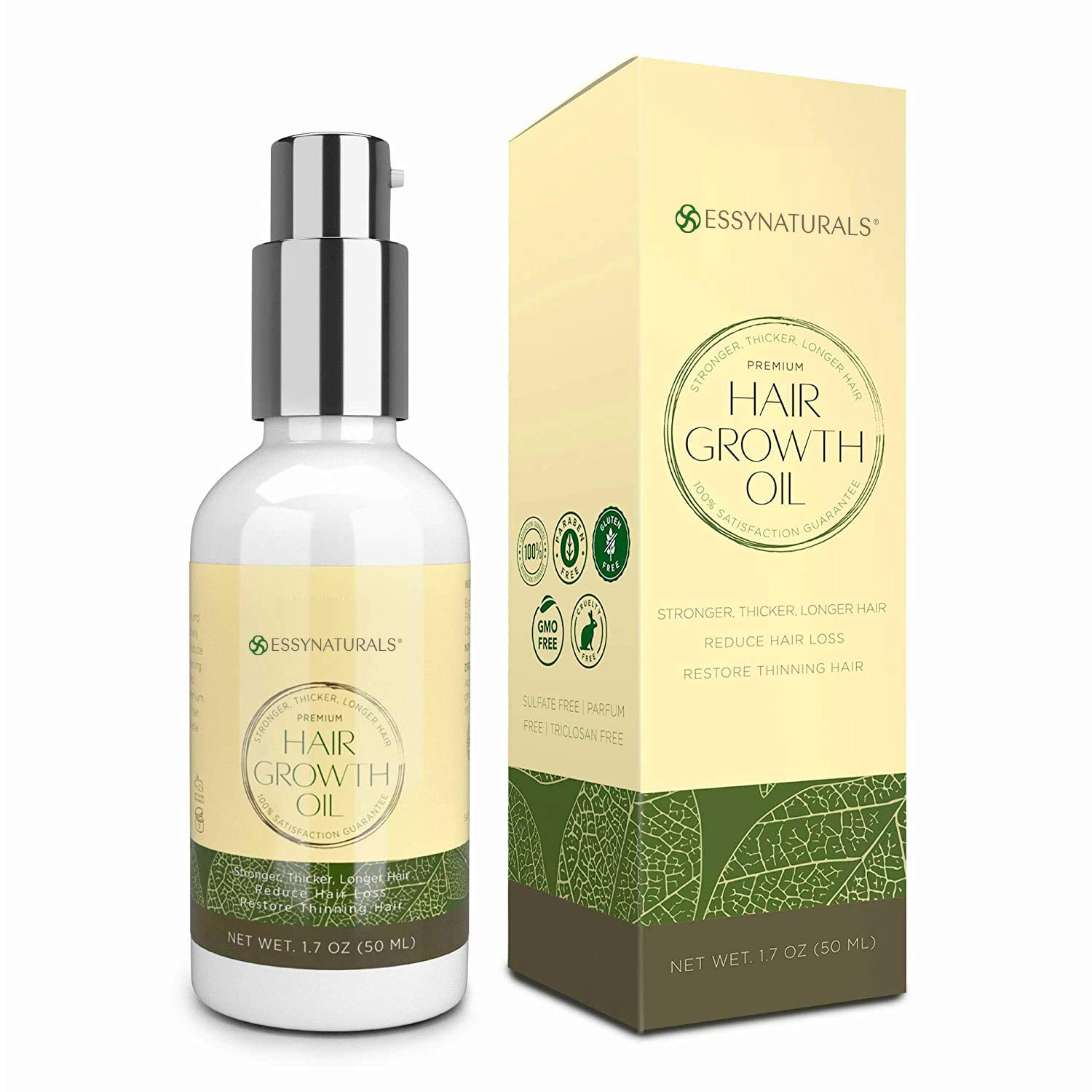
Best Multitasking Hair Oil:
If you have oily hair, the thought of applying hair oil is likely what your beauty nightmares are made of. But according to celebrity hairstylist Clariss Rubenstein, every hair type (yes even oily) can benefit from hair oils. "Fine or coarse, anyone's hair needs an oil to seal the ends," she says.
Rene Furterer Head Spa COMPLEXE 5 Stimulating Plant Concentrate
There are many plant-based oils that can improve hair quality by penetrating the hair shaft. It may even help repair damaged hair and either promote hair growth or reduce hair loss. Today’s line-up of hair and scalp oil formulas are brimming with benefits and, as well as oils, boast other hair health-boosting ingredients to help restore and strengthen dry and damaged hair. Here are eight of our team's approved picks that are worth weaving into your hair care routine. The best hair growth oils are formulated with scalp-stimulating essential oils, including rosemary, peppermint, and basil leaf. "These ingredients are designed to remove buildup and dead skin cells so the scalp is healthier and blood flow is allowed," explains Reavey.
"I’d advise not to use oils on a daily basis because it can definitely build up and clog the hair follicles if used in excess." Those with super curly or thick hair can typically use hair oils more often, up to a few times a week. "Do some research on the best hair oils for your hair type," advises Priano. "For example, coconut oil in the last few years had a huge moment, but it’s not recommended for use on everyone since it’s a heavier oil and takes intensive washing to completely get out of the hair." If you are looking to tame flyaways without breaking the bank, you've met your match. "OGX Coconut Miracle Oil is a great budget-friendly find," says Cassandra Olivia, a hair stylist and colorist in New York City.

Do hair-growth oils actually work?
Not only did our tester notice her hair grow in length (about two inches in six weeks), but she also noticed her strands feeling thicker and stronger over time. In fact, she realized that she was due for a trim sooner than her routine visits were scheduled — a marker of this serum’s success. Another perk of this product is its compatibility with wet and dry hair as a leave-in treatment. “This makes it a versatile product that can be used to refresh and revitalize curls throughout the day without having to wash and restyle the hair,” says Dr. Mbilishaka.
After applying the product and blow-drying our hair, we found that our entire head of hair was shiny and soft. The only downside is that we wish it would have more of a smoothing effect to handle broken ends and flyaways. Always consult your dermatologist or doctor before using any of these hair oils. Also, it's best to seek professional guidance for persistent hair loss or other hair and scalp issues — a professional can assess the root cause of your condition and recommend the right hair loss treatment for you. The champion of healthy hair, founder and celebrity hairstylist Jonathan Van Ness understands the want for oil-free hair while still reaping the benefits that strand-strengthening oils have to offer. What makes this specific oil different from the others on this list is its utility as a pre-shampoo product, as opposed to other products that are meant to be kept on the scalp for up to 24 hours before washing.
Greasy Scalp? Here's Why You Should Be Using Cedarwood Oil in Your Hair - Yahoo Lifestyle UK
Greasy Scalp? Here's Why You Should Be Using Cedarwood Oil in Your Hair.
Posted: Sat, 27 Apr 2024 13:34:51 GMT [source]
They also improved follicle depth, which in turn improved hair growth. Ideally, it is best for all hair types, especially for people with extremely dry and frizzy hair. However, people with oily/greasy hair types should avoid using it regularly. If you have an oily scalp, a light-weight carrier oil like grapeseed or almond oil should be used. If your scalp is too dry, using a heavy-weight carrier oil like coconut oil can help soothe your irritation.
A cult favorite for a good reason, this lightweight oil uses a combination of edelweiss flower, bergamot, and argan extracts to penetrate strands for silky smooth hair. Plus, it provides UV and thermal protection and works for color-treated hair. While other oils aren’t necessarily useless, you’ll want to opt for a formula containing rosemary oil if you want to go with the ingredient with the strongest research behind it. Danusia (she/her) is a senior chemist in the Beauty, Health and Sustainability Lab at the Good Housekeeping Institute where she evaluates haircare, skincare, cosmetics and beauty tools. In pharmaceutical sciences with concentration in cosmetic science from the University of Cincinnati.


No comments:
Post a Comment